Context
01Problem
STAR-CCM+ was a sprawling, feature-bloated platform, and the major development teams and project management did not share a language for how people actually used it, or for what Next Gen should become.
Engineering was skeptical of human-centered methods. UX had little standing, and I had to get buy-in in my first month, before we had a three-year plan we could all stand on.
02Opportunity
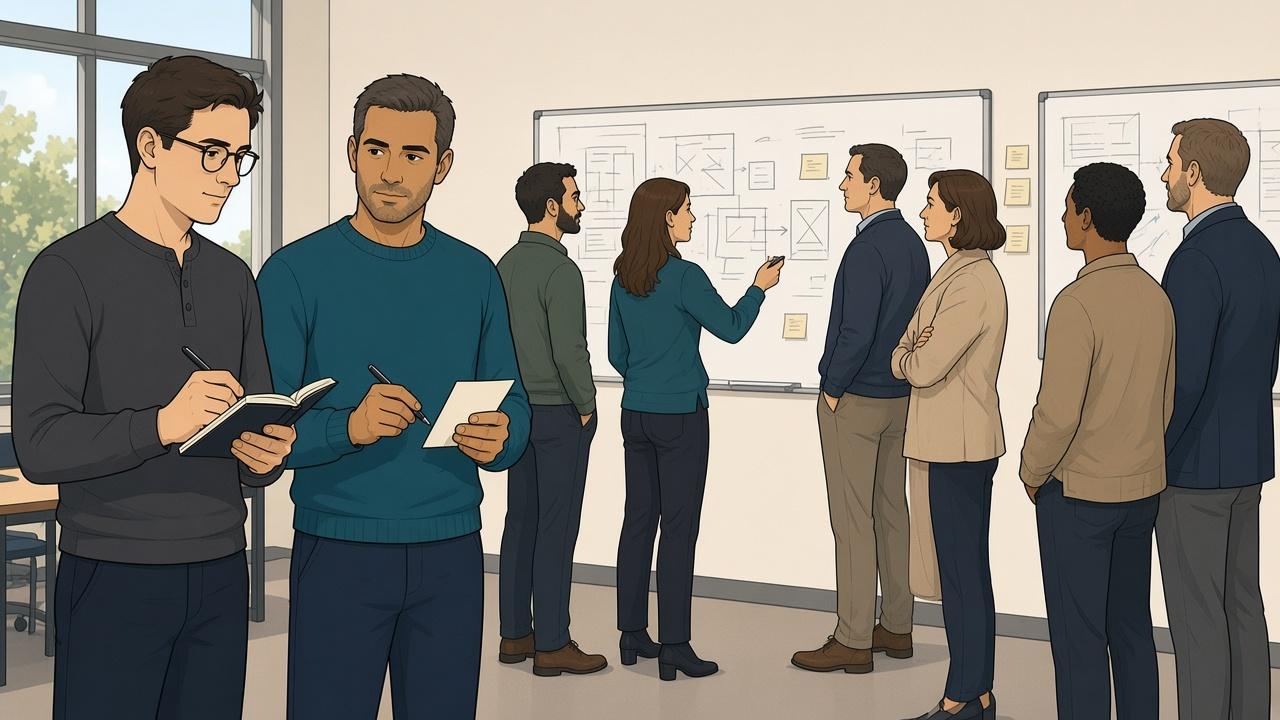
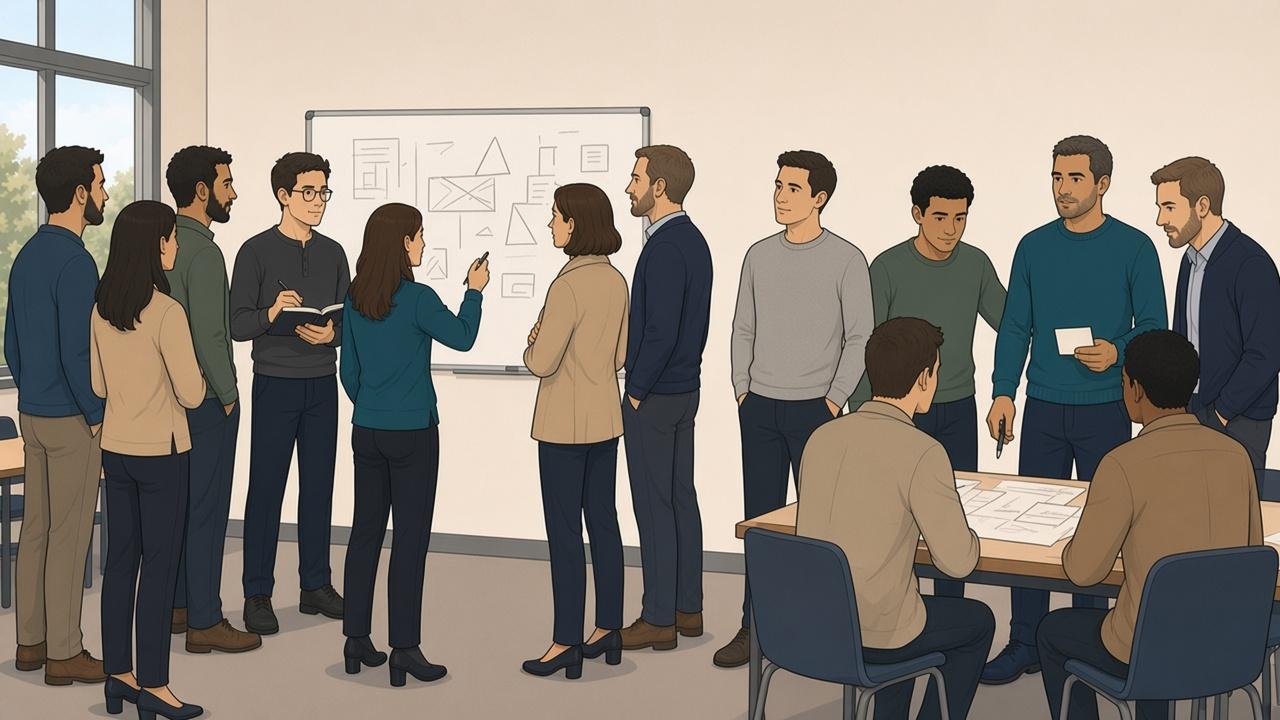
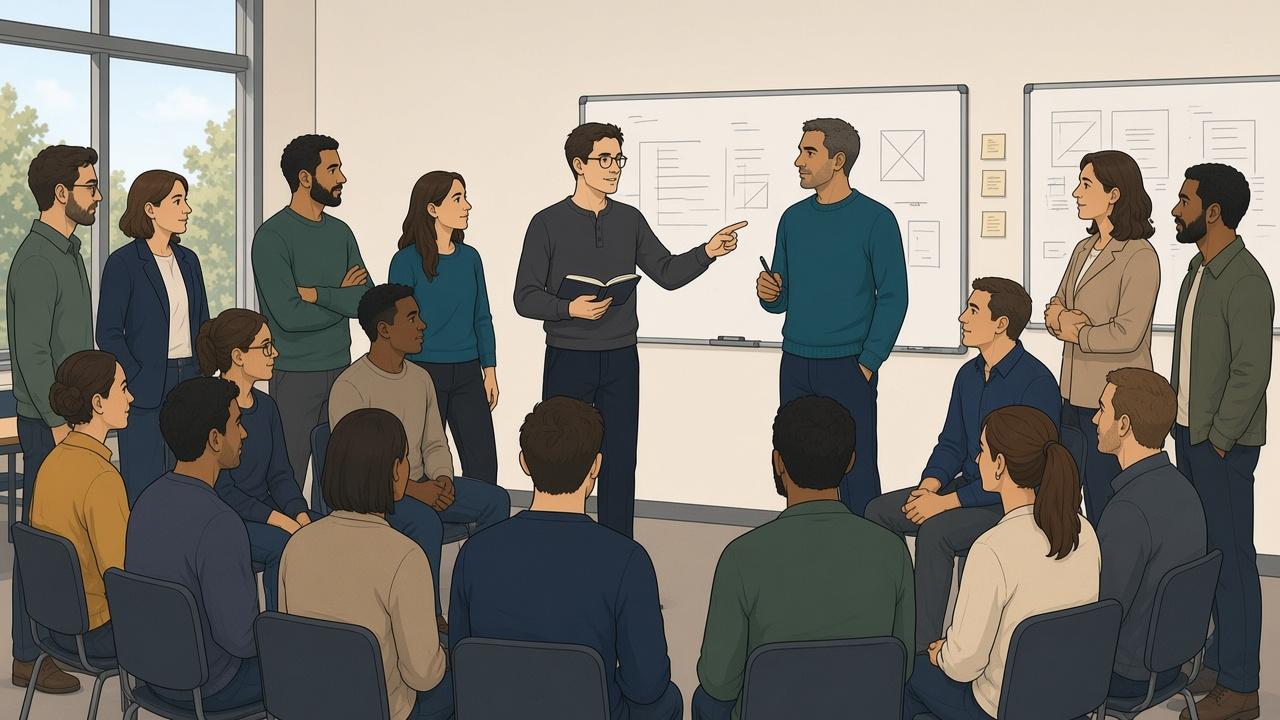
I designed a three-day in-person discovery workshop and ran it with the major development teams and the project management team, more than 30 departmental leaders and program managers.
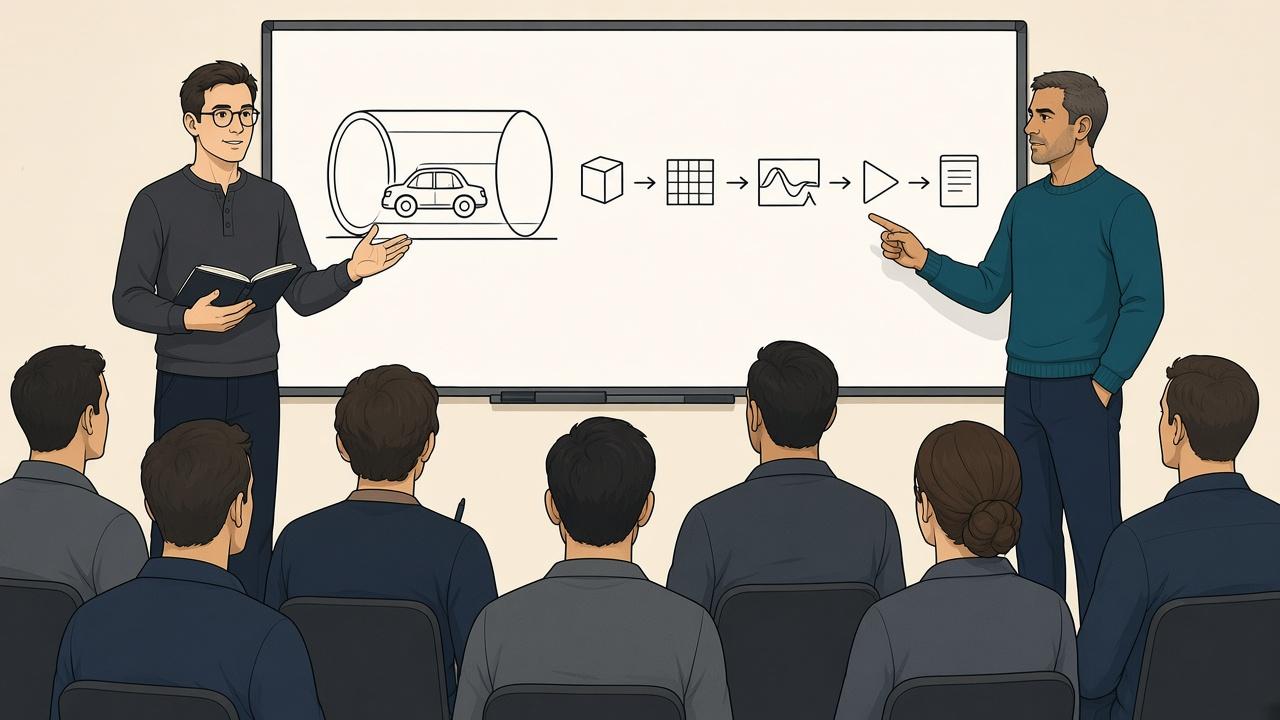
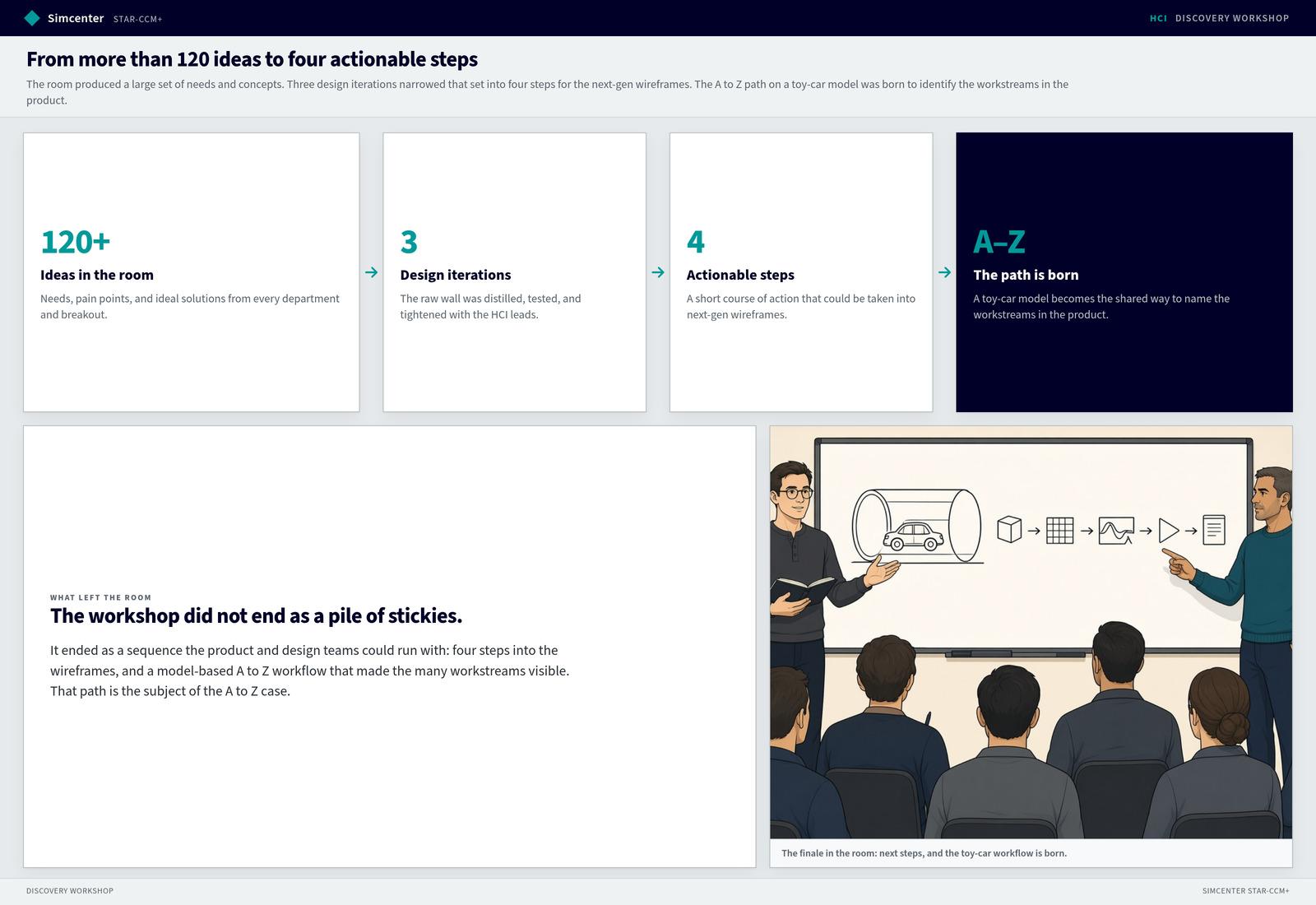
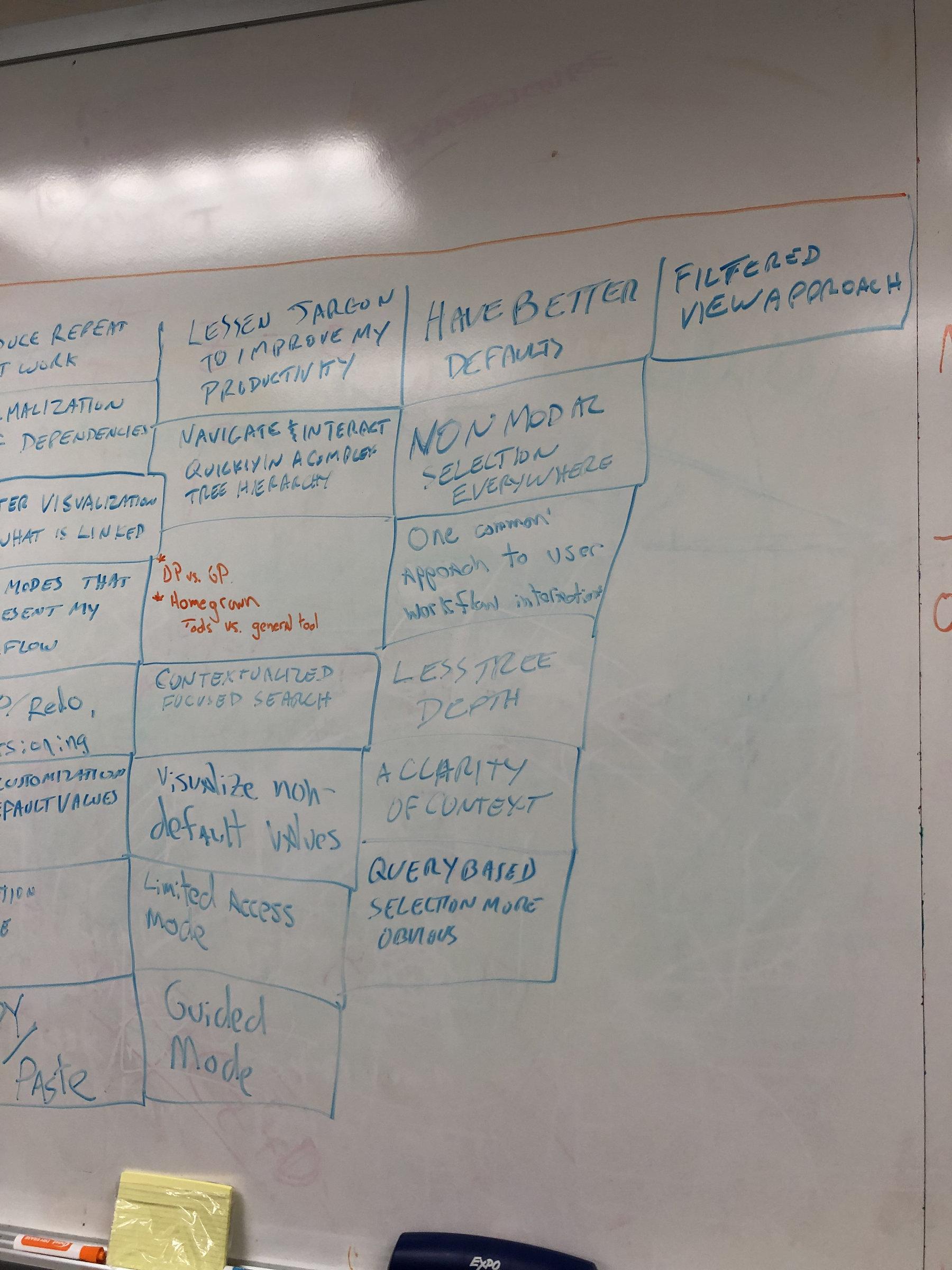
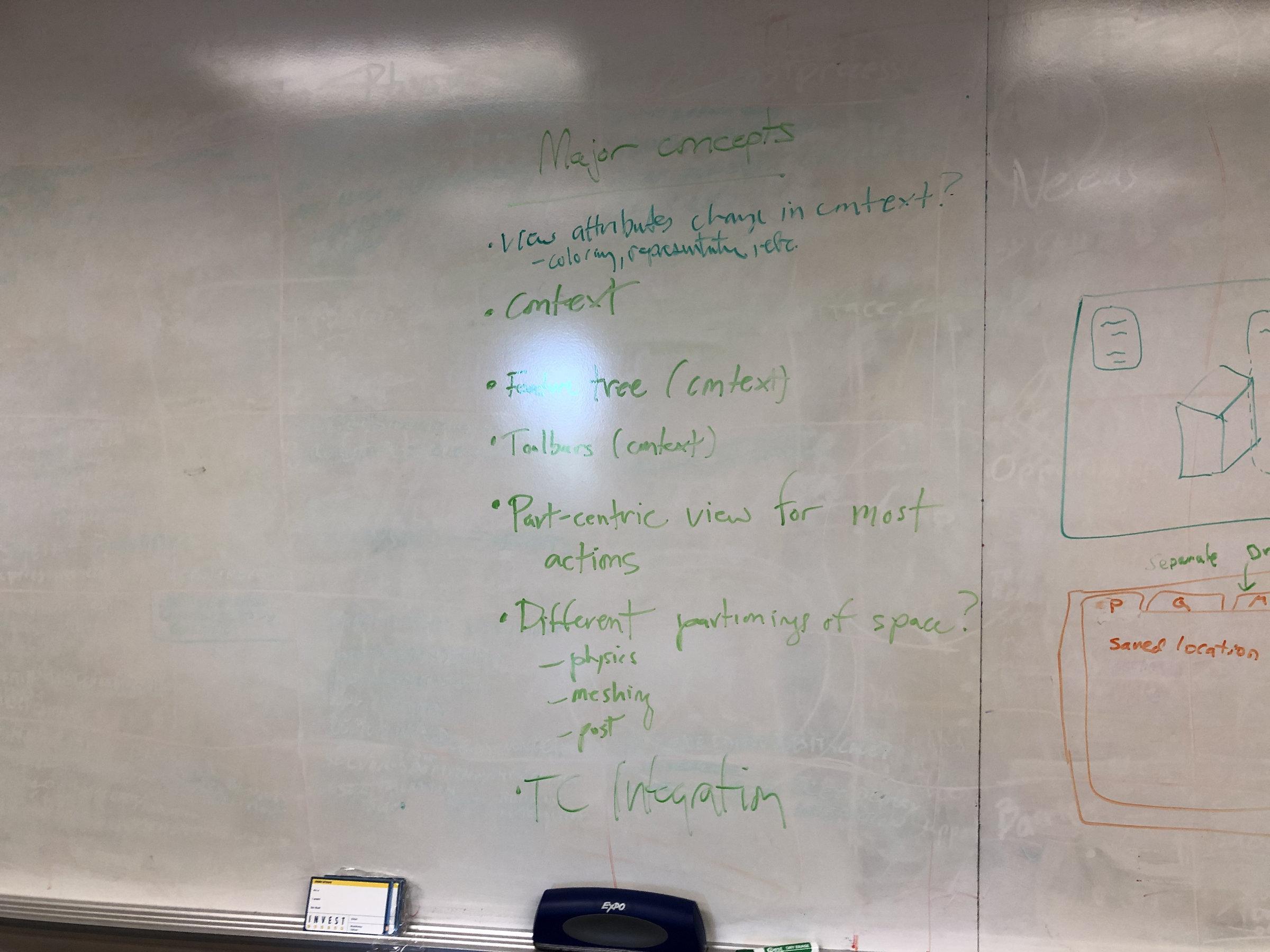
We surfaced pain points, workshopped solutions, and pushed 120+ ideas through three design iterations, down to four actionable steps for next-gen UI wireframes. That session gave us the approach we followed for the next three years.
03Constraint
I had to invent and run the workshop in my first month, in a culture that was still unconvinced UX belonged in engineering planning. The room had to include all the major development teams and project management, and the output had to be a plan we could actually execute, not a stack of notes we would leave behind.
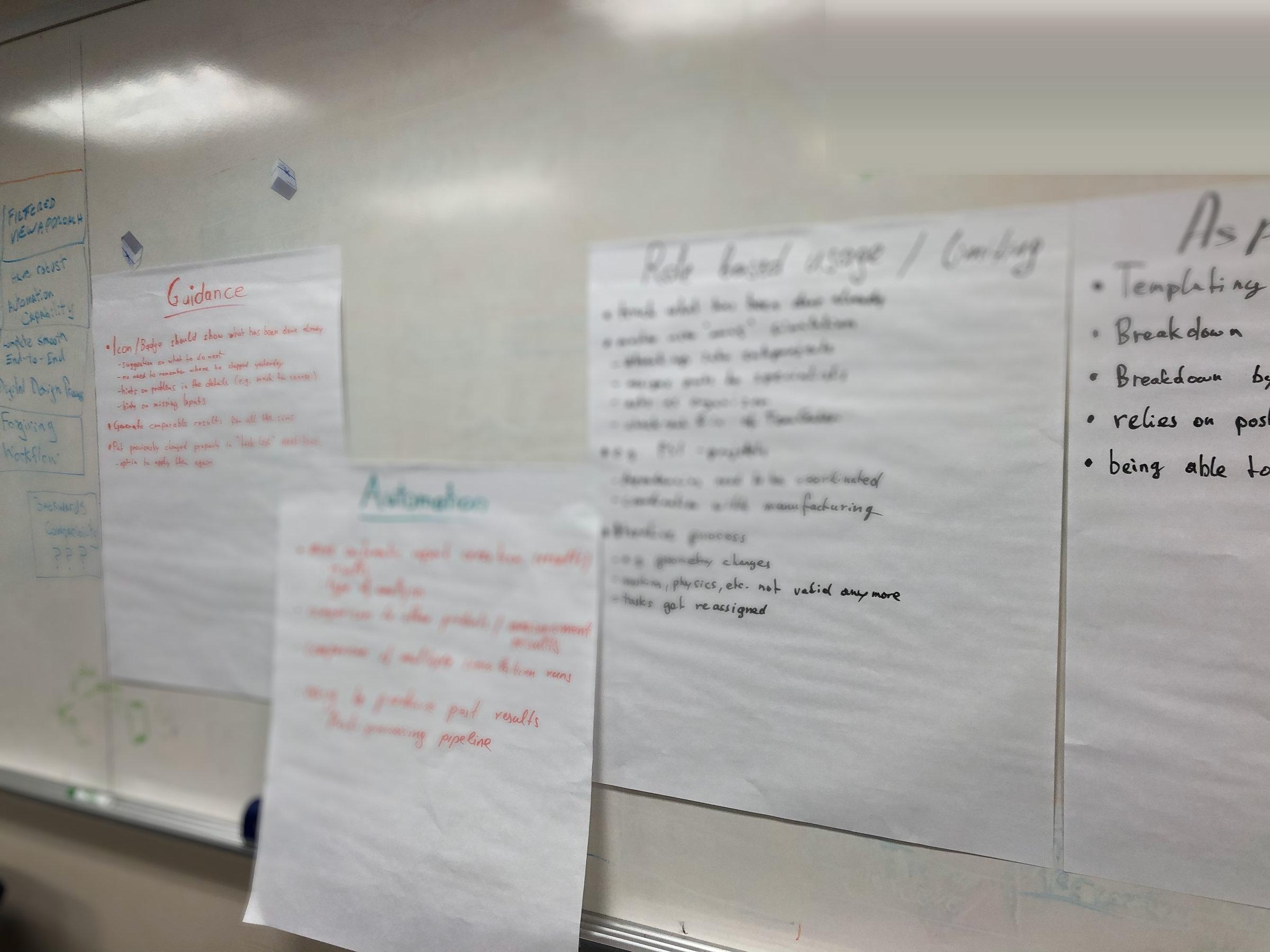
That session set the approach we followed for the next three years.
Approach
- Designed and facilitated a three-day in-person discovery workshop in the first month.
- Brought the major development teams and project management into one room, more than 30 leaders.
- Worked 120+ ideas down to four actionable steps for next-gen UI wireframes.
Outcomes
- The workshop earned 90% positive stakeholder feedback.
- The four steps from those 120+ ideas became the backbone of our next-gen UI wireframes and the approach we followed for the next three years.
Artifacts
Reflection
The workshop earned 90% positive stakeholder feedback, and those four steps became the approach we followed for the next three years.